Quartz Countertops in Burlington: A Homeowner’s Guide to Choosing and Installing the Right Surface
Choosing new kitchen countertops is exciting, but the decisions can add up quickly. Between colours, patterns, edge profiles, sink cutouts and installation details, it helps to know what to expect before ordering. If you are considering quartz countertops in Burlington, Ontario, this guide explains how to choose a surface that suits your home and how to prepare for a smooth installation. Quartz is a popular option for busy kitchens because it offers a wide range of designs, a durable finish and simple day-to-day cleaning. The key is choosing the right product and planning the entire project, not just picking a colour from a small sample.

Why Burlington Homeowners Choose Quartz Countertops
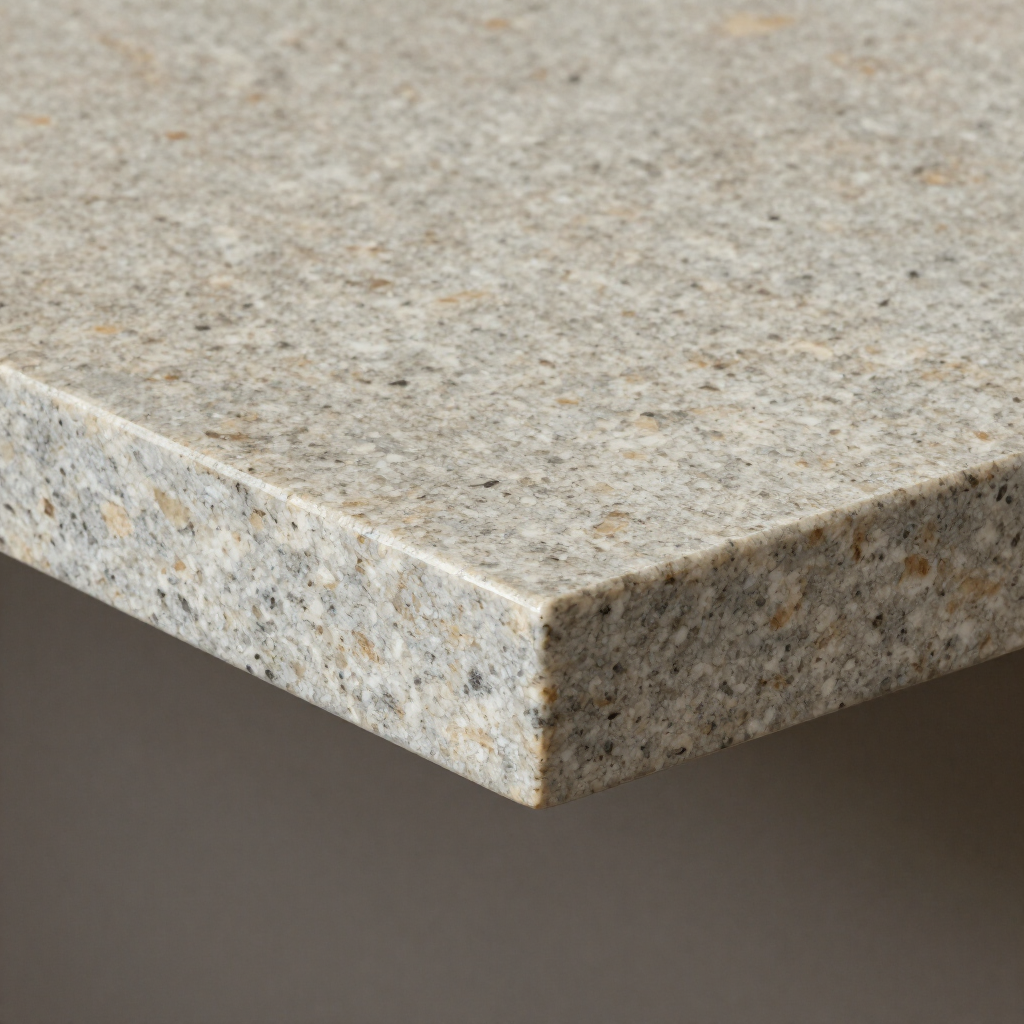
Engineered quartz countertops combine crushed quartz and other mineral content with resins and pigments. Unlike natural granite, engineered quartz is made to offer relatively consistent colours and patterns. That can be especially useful when you want your kitchen island, perimeter counters and backsplash to feel coordinated. For households juggling cooking, school lunches and entertaining, quartz also has practical advantages:
- Low-maintenance surface: Engineered quartz is non-porous and generally does not need routine sealing.
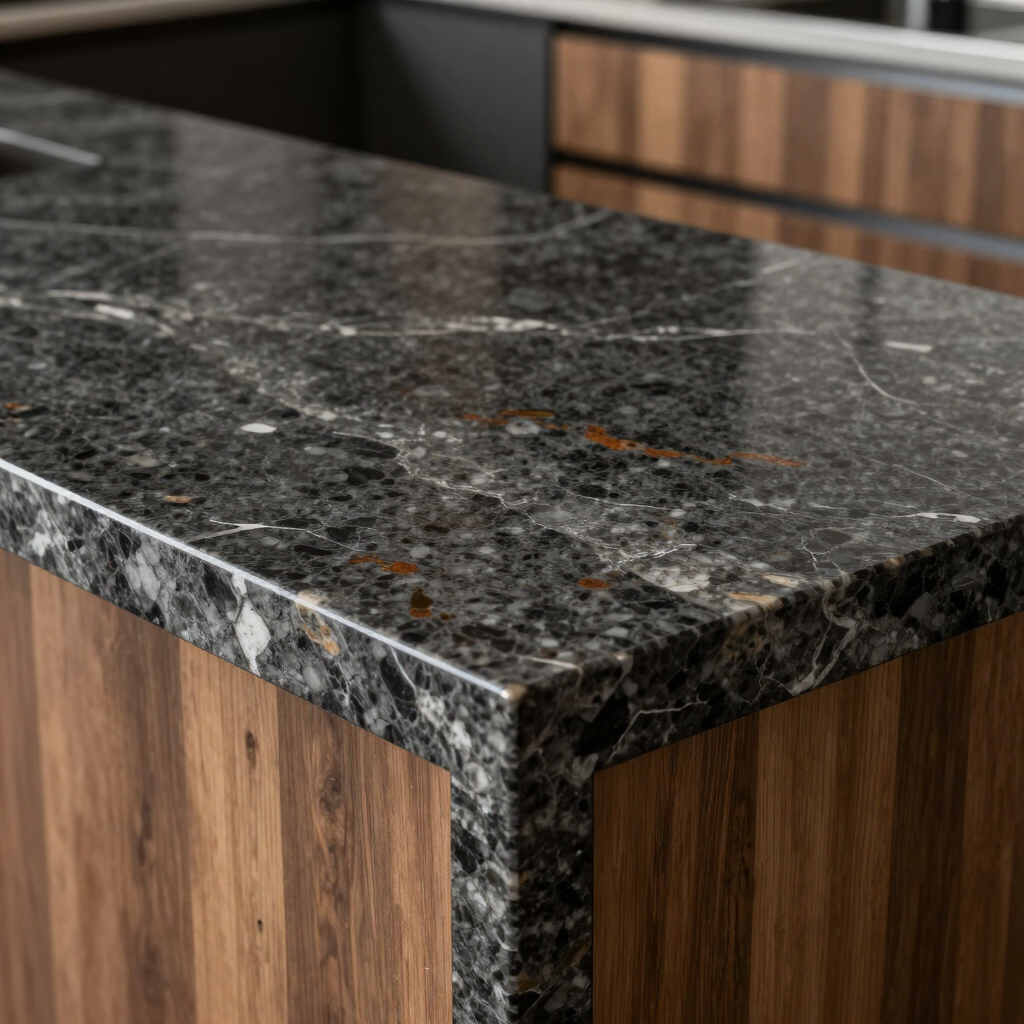
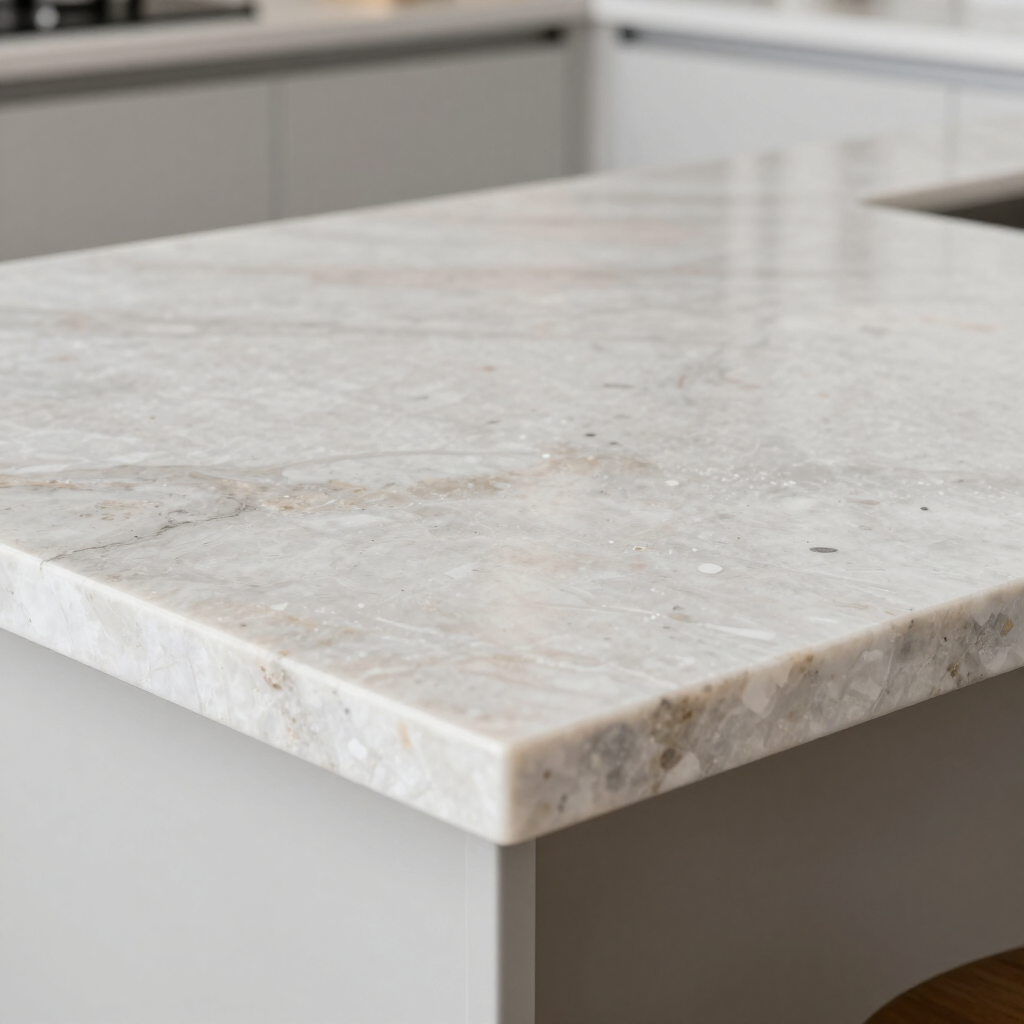
- Versatile appearance: Options include soft white, warm neutrals, dramatic veining and darker contemporary finishes.
- Stain resistance: Promptly wiped spills are less likely to soak in than they would on many porous surfaces.
- Design consistency: Patterns are usually more predictable than the movement found in natural stone slabs.
Quartz is not heatproof or damage proof. Always use trivets for hot cookware and cutting boards for food preparation, and follow the specific manufacturer’s care instructions.
How to Choose the Best Quartz Countertop for Your Kitchen
1. Start with your cabinets, flooring and natural light
A bright white sample can look cooler under north-facing light and warmer beside cream-coloured cabinets. Bring cabinet, flooring, backsplash or paint samples when comparing quartz. If possible, look at a larger slab or display to understand how its veining reads across an island.
2. Decide whether the countertop should blend in or stand out
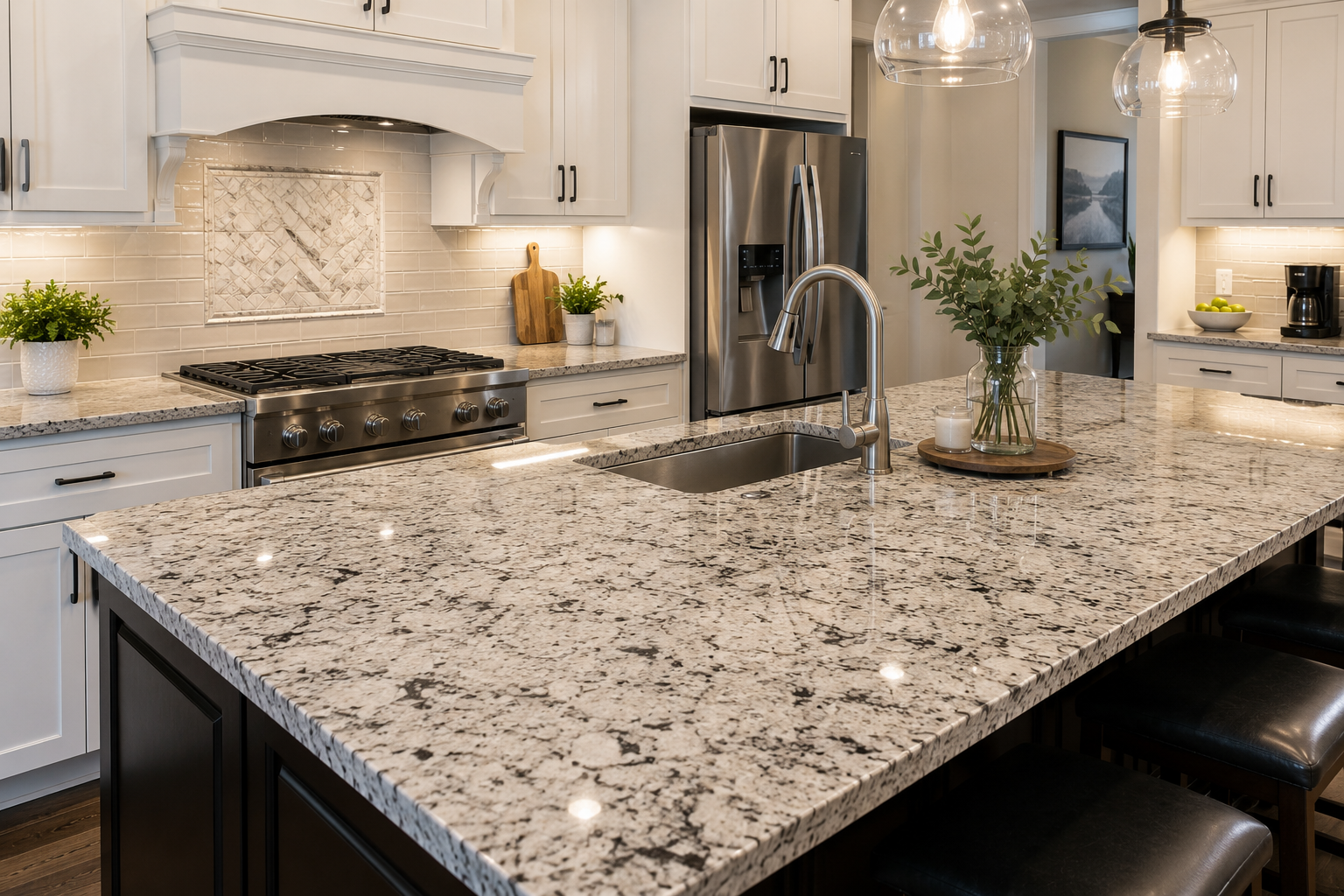
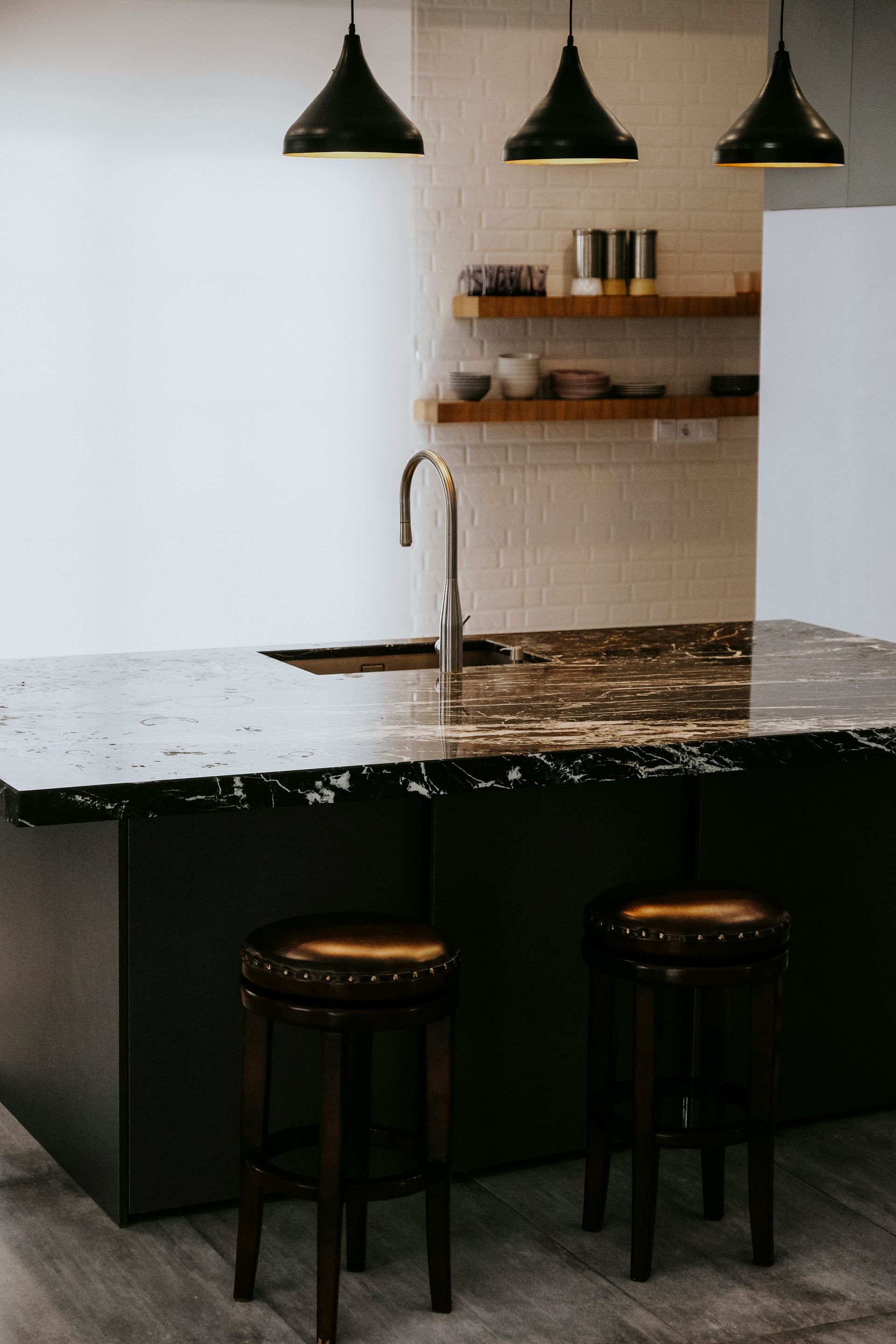
Subtle quartz with fine movement can support colourful cabinetry or a statement backsplash. Bold veining can become the kitchen’s focal point, especially on a large island. Consider the overall room rather than selecting a pattern in isolation.
3. Discuss edges, thickness and seams early
A simple eased edge creates a clean look and is often practical for active kitchens. More decorative profiles can add detail, but availability and cost vary. Ask where seams may be needed, how the pattern will align and whether the selected slab dimensions work for your layout.
4. Plan for your sink and appliances
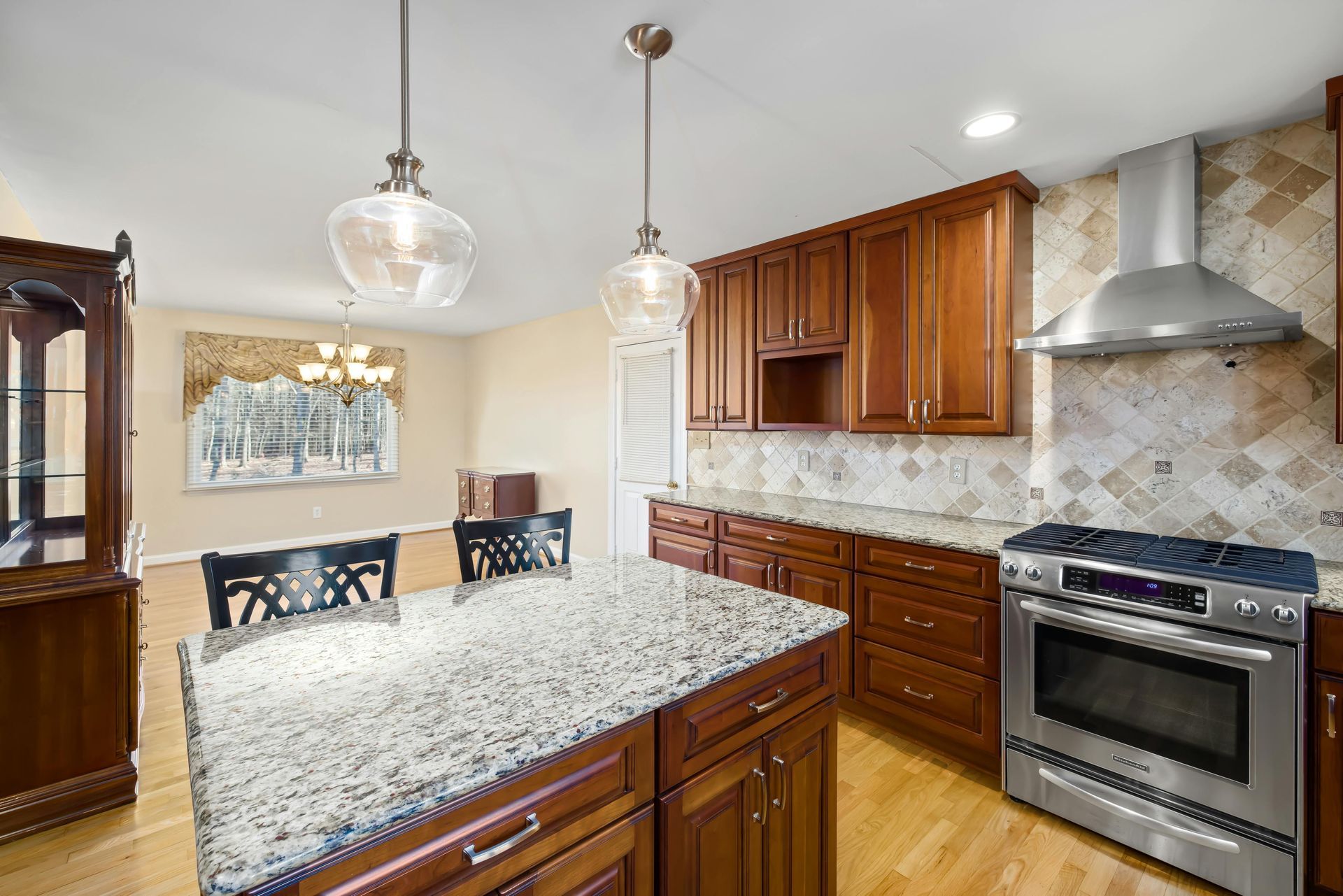
Undermount sinks, cooktops, taps, soap dispensers and outlets all affect measurements and fabrication. If you are changing cabinet layouts, complete that work first so the countertop can be measured accurately. Want to compare available surfaces? Explore Busche Granite’s quartz countertops in Hamilton and Burlington and review their granite countertop collection if you are still considering natural stone.
What Affects the Cost of Quartz Countertops in Burlington?
Quartz countertop pricing depends on more than square footage. A quote should account for material selection and the details involved in fabrication and installation. Rather than relying on a generic online price, request an itemized estimate for your actual kitchen.
- Slab design, brand, availability and selected thickness
- Total counter area, island size and potential material waste
- Edge treatment, sink and cooktop cutouts, and backsplash details
- Number and location of seams, overhangs and any required supports
- Removal of existing countertops, site access and installation complexity
When comparing estimates, confirm whether removal, templating, fabrication, delivery, installation, sink mounting and applicable taxes are included. Two quotes that appear similar may cover different work.
Quartz Countertop Installation: What to Expect
Step 1: Consultation and material selection
Discuss the kitchen layout, how you use the space, your preferred look and budget. Review samples and available slabs, then choose the surface and edge details that fit your project.
Step 2: Final measurements and templating
Once cabinets are installed and properly secured, precise measurements establish the final countertop shape and cutout locations. Ask the installer what must be completed before this appointment, including sink and faucet specifications.
Step 3: Fabrication and project coordination
The selected surface is cut and finished to the approved measurements. Fabrication schedules vary with the material, project complexity and current workload, so confirm timing with your supplier before coordinating plumbing or other trades.
Step 4: Installation and final checks
Installers position the pieces, join seams where necessary and check the fit. Countertop installation may require plumbing disconnection and reconnection by qualified trades. Before considering the job complete, inspect the finish, cutouts, edge treatment and visible seams together with the installation team.
How to Prepare Your Burlington Kitchen Before Installation
- Empty drawers and clear the counters so the crew can work safely.
- Ensure cabinets are installed, stable and ready for templating and countertop support.
- Confirm the sink, faucet and appliance models and share their specifications in advance.
- Make a clear access route from the entrance to the kitchen, including parking and stairs.
- Ask who will remove existing surfaces and arrange plumbing or electrical work if needed.
- Keep children and pets away from the work area on installation day.
Quartz Countertop Care After Installation
For routine cleaning, use a soft cloth with mild dish soap and water, then wipe dry. Clean spills promptly and avoid abrasive pads or harsh solvents unless the manufacturer expressly approves them. Put hot pans on trivets rather than directly on the quartz. Engineered quartz normally needs no resealing, which makes it convenient for busy kitchens.
Frequently Asked Questions About Quartz Countertops in Burlington
Do quartz countertops need to be sealed?
No. Most engineered quartz countertops are non-porous and do not require sealing. Always follow the care guidance supplied with your specific product.
Can I put a hot pan directly on quartz?
It is best not to. High heat or sudden temperature changes may damage the resin components or finish. Use a heat-resistant trivet.
How long does quartz countertop installation take?
The on-site installation time depends on the kitchen’s size and complexity. The full project also includes selection, measurement, fabrication and scheduling. Ask for a project-specific timeline instead of assuming a fixed turnaround.
Is quartz or granite better for a Burlington kitchen?
Both can be excellent. Quartz suits homeowners who value design consistency and low sealing maintenance, while granite offers unique natural variation. For a deeper comparison, read Busche Granite’s granite vs. quartz countertop guide.
Explore Quartz Countertops at Busche Granite in Burlington
The right countertop should fit your kitchen, your routine and your design preferences. Busche Granite offers quartz and natural stone options along with custom countertop fabrication and installation services for homeowners in Burlington and Hamilton. Visiting a showroom can help you compare real materials and ask informed questions before placing an order.
Ready to plan your renovation? Contact Busche Granite to discuss quartz countertop options, request a consultation and confirm current showroom details. The Burlington location listed on the contact page is 5325 Harvester Road, Unit 1, Burlington, Ontario.