Granite vs. Quartz Countertops: Which Is Better for Your Hamilton Kitchen?
Two Popular Surfaces with Different Strengths
Granite and quartz are both durable, attractive choices for kitchen countertops, but they are not the same material. Granite is natural stone cut from a slab, while quartz surfaces are engineered from mineral content combined with binders and pigments.

Natural Variation vs. Design Consistency
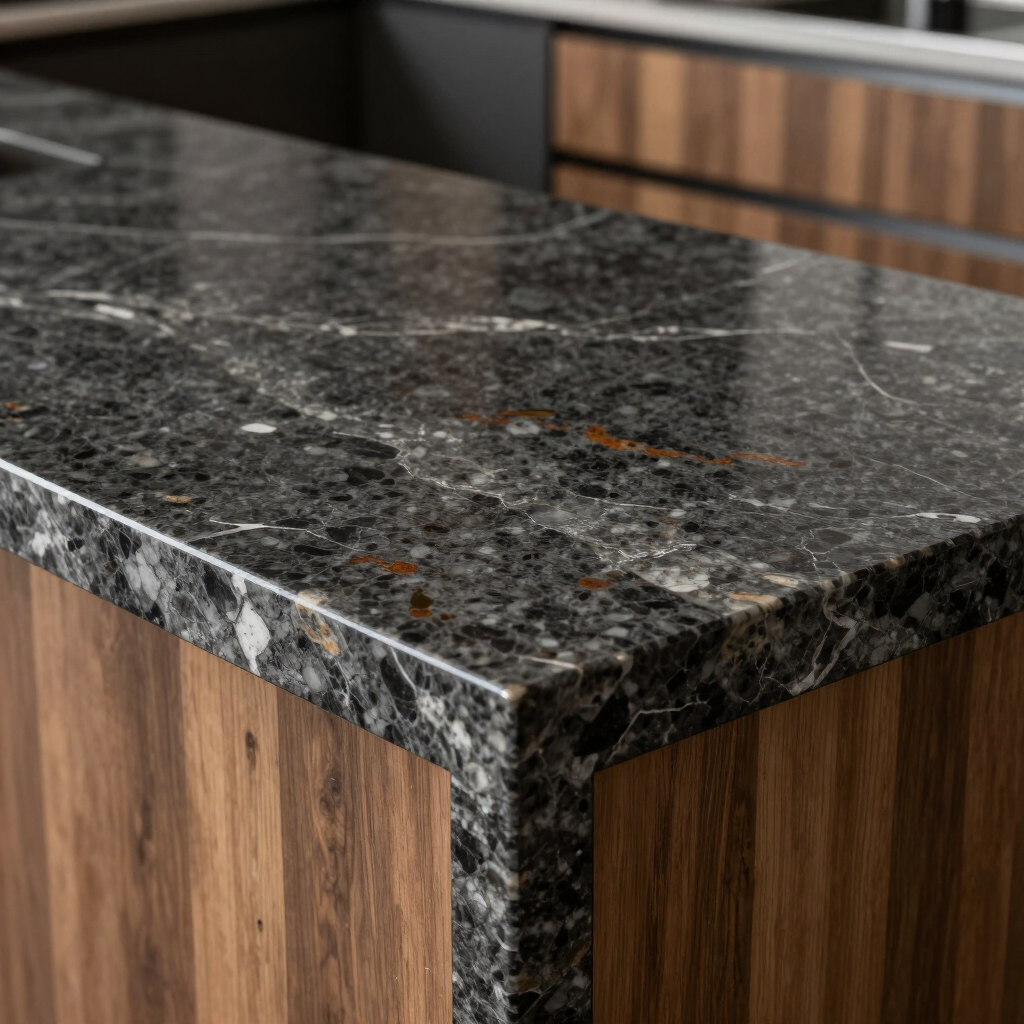
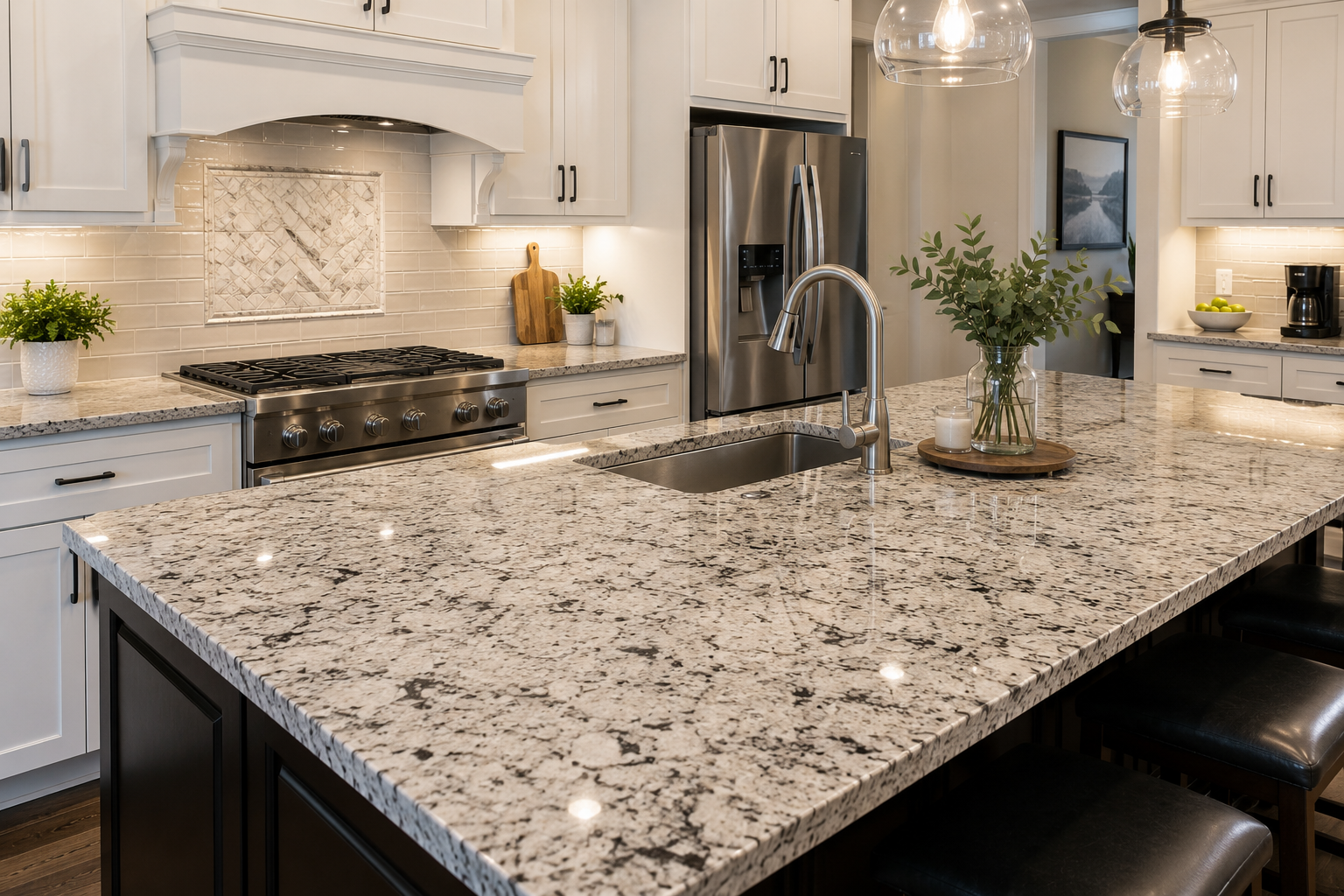
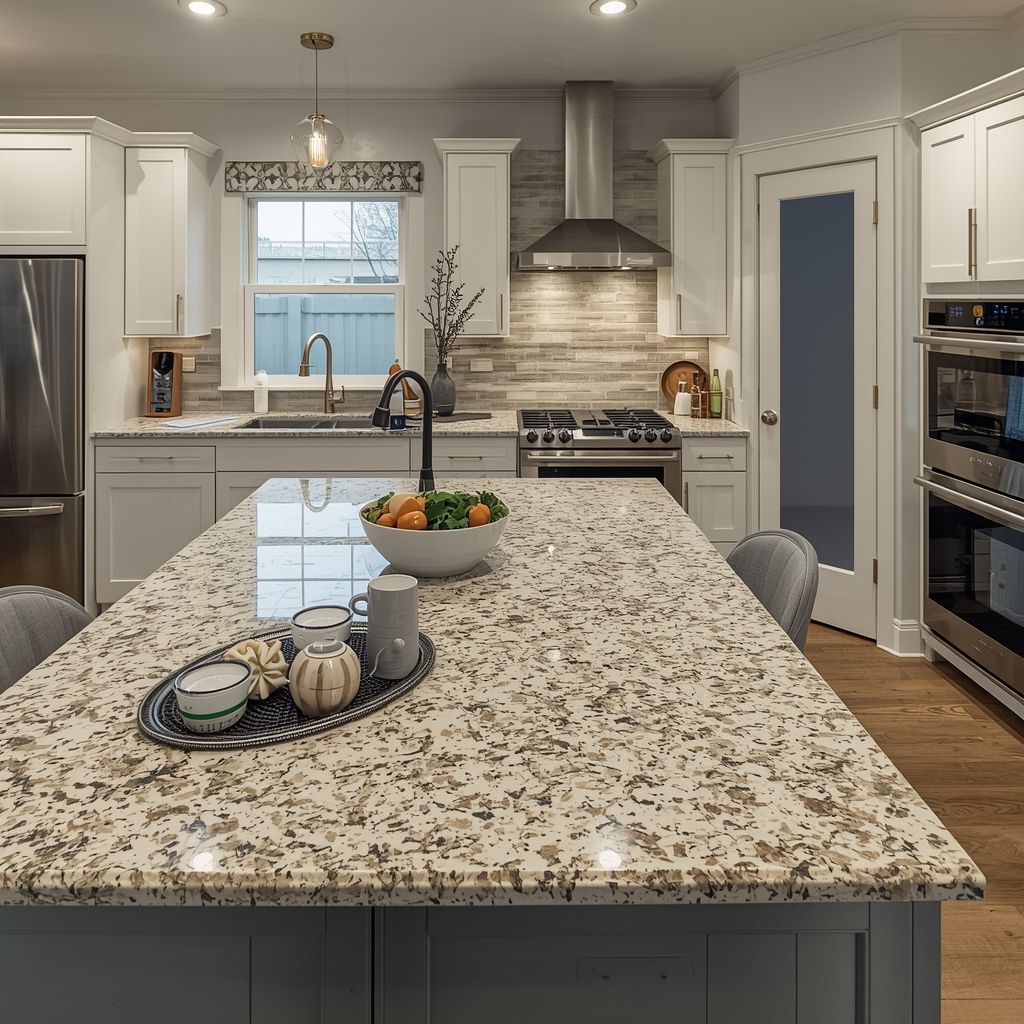
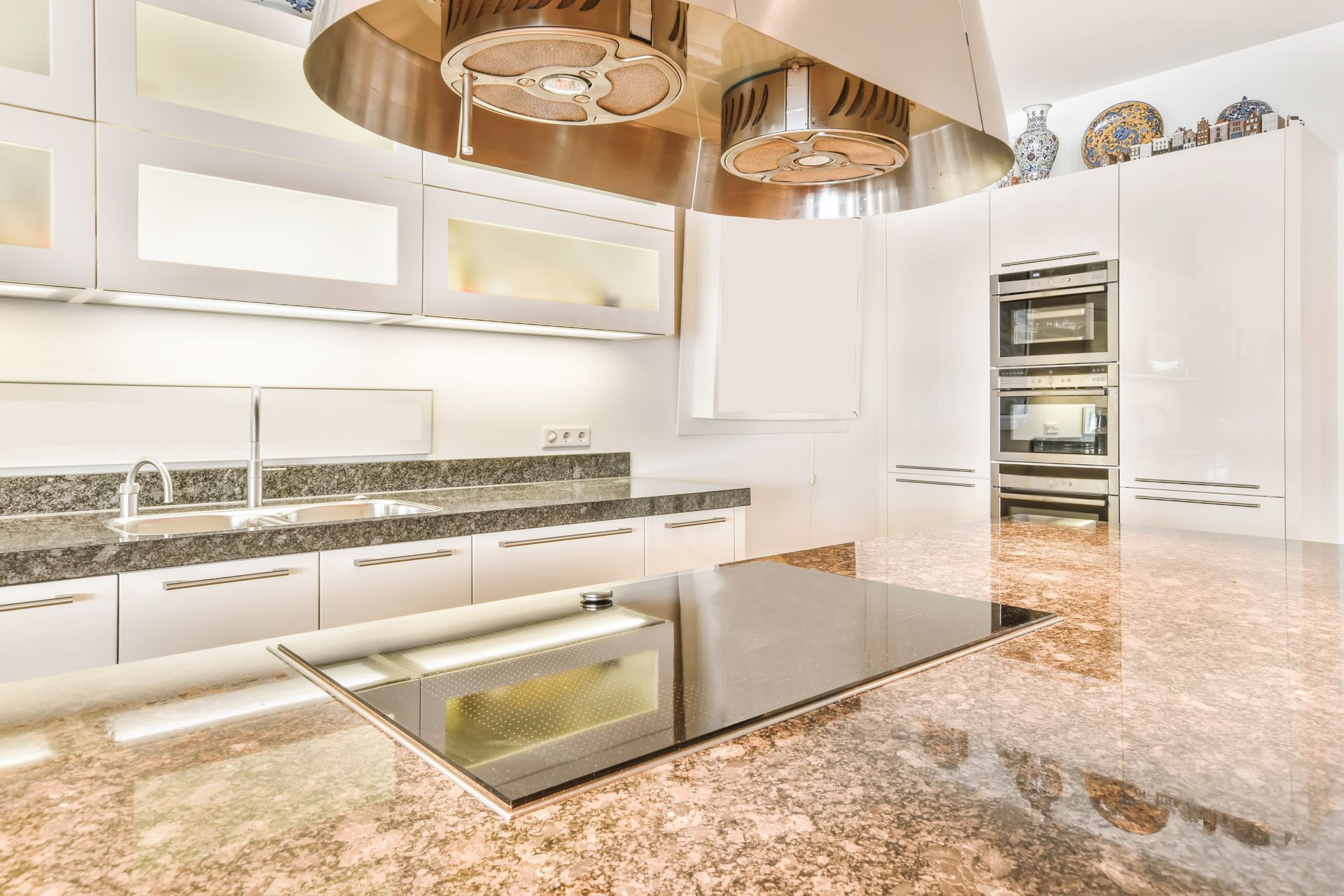
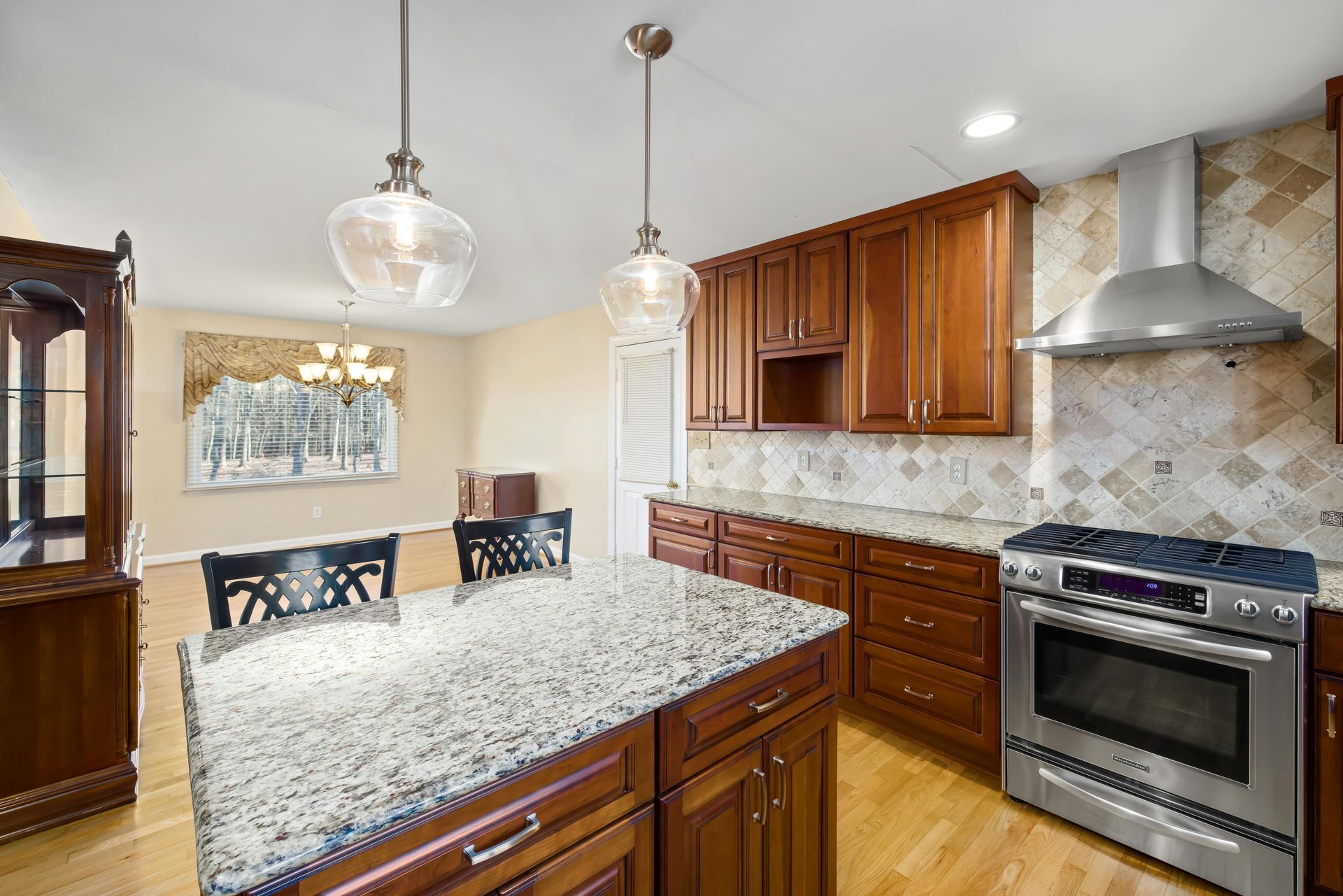
Every granite slab has naturally occurring movement, colour and pattern, so the installed surface is unique. Viewing the full slab is important because a small sample cannot show all variation.
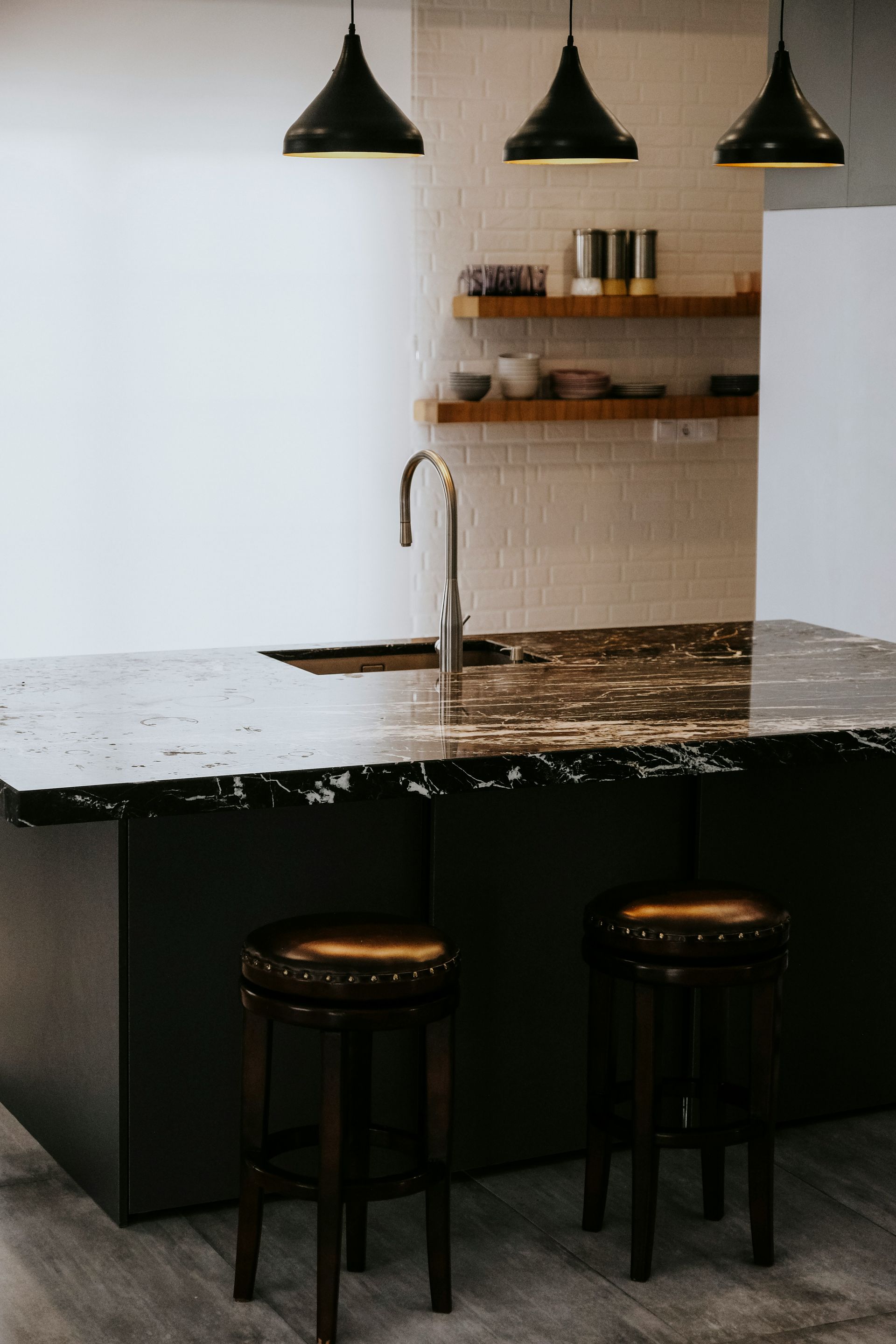
Quartz offers more predictable colours and patterns, which can simplify matching across a large layout. It is available in designs that range from subtle solids to stone-inspired veining.
Durability in a Working Kitchen
Both materials perform well under normal residential use. Granite is hard and scratch resistant, while quartz provides a strong, non-porous surface. No countertop is indestructible: sharp impacts can chip edges and abrasive misuse can damage finishes.
Use cutting boards and protect vulnerable corners regardless of material. Professional fabrication and support around sinks and overhangs also influence long-term performance.
Heat Resistance
Granite generally handles brief heat exposure better than engineered quartz, whose binders can be affected by high temperatures. However, thermal shock or prolonged direct heat can damage many surfaces.
Use trivets under hot cookware for both materials. This simple habit protects the countertop and avoids disputes over product-care requirements.
Stain Resistance and Sealing
Quartz is non-porous and normally does not require sealing. Granite varies by stone and is commonly sealed to reduce absorption. A fabricator can explain the recommended product and resealing schedule.
Wipe spills promptly, especially oils, wine and strongly coloured foods. Use cleaners approved for the selected surface rather than harsh chemicals.
Cleaning and Maintenance
Daily care is straightforward: mild soap, water and a soft cloth are suitable for many surfaces. Avoid abrasive pads and cleaners that can dull finishes or affect sealers.
Granite owners should periodically check whether liquid darkens the surface, which may indicate that resealing is due. Quartz owners should follow the manufacturer’s guidance for stains and heat.
Cost and Project Variables
Material price is only one part of the budget. Slab selection, thickness, edge profile, cutouts, seams, removal, access and installation complexity all affect the finished cost.
Compare complete quotations based on the same scope rather than judging only a price per square foot.
Which Material Fits Your Style?
Choose granite when natural variation and one-of-a-kind stone character are priorities. Choose quartz when consistent colour, broad design choice and low sealing maintenance matter more.
Bring cabinet, flooring and paint samples to the showroom and view materials under lighting similar to the kitchen.
Professional Measurement and Installation
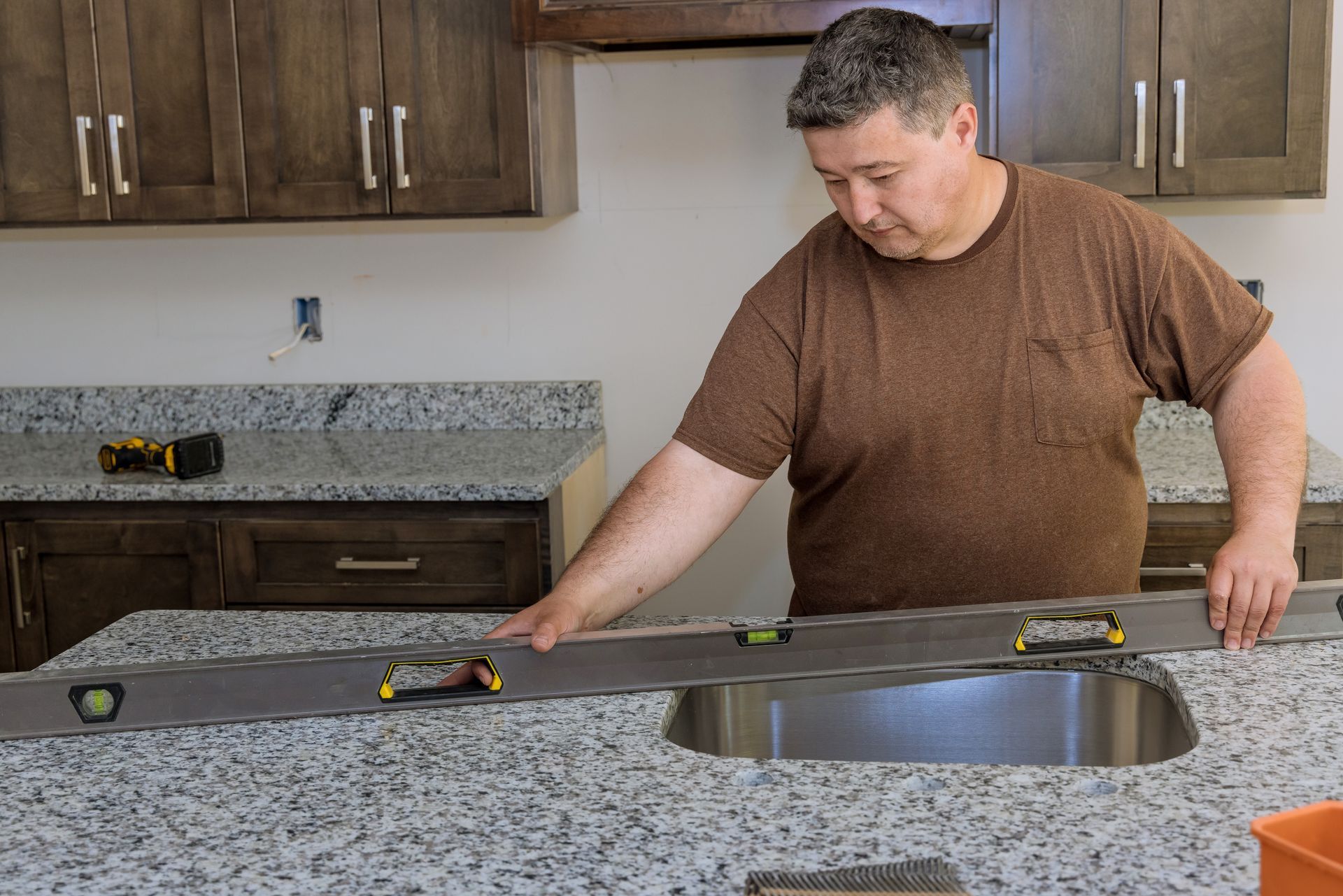
Precise templating, fabrication and installation are essential for either material. Cabinets must be level and capable of supporting the surface, while seams, sinks and overhangs need careful planning.
Discuss layout early so visually important parts of the slab and necessary seams can be considered before cutting.
Choose with Confidence at Busche Granite
There is no universal winner. The better countertop is the one that fits the household’s design preferences and maintenance expectations.
Busche Granite offers granite countertops in Hamilton along with quartz, marble and customized fabrication and installation. Visit the showroom to compare full slabs and receive guidance for your kitchen project.
Consider the Entire Kitchen Design
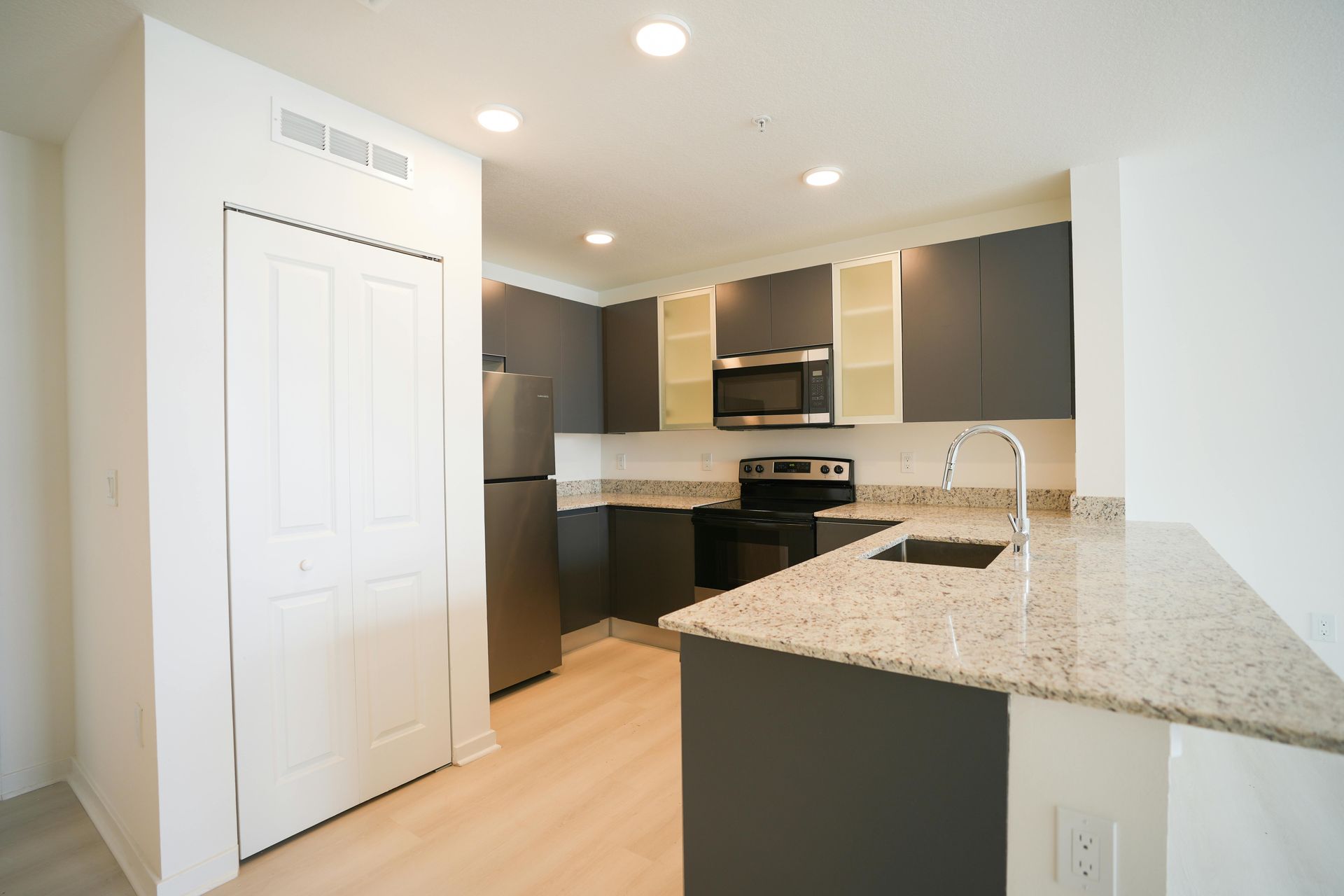
Countertops cover a large visual area, so evaluate them with cabinet colour, flooring, backsplash, hardware and lighting. A dramatic slab can serve as the focal point, while a quieter quartz pattern may support detailed cabinetry or tile. Decide which material should lead the design rather than selecting each finish independently.
Also consider edge profiles and thickness. Small changes affect appearance, cleaning and price, and some profiles suit particular materials or fabrication constraints better than others.
Plan for Seams, Sinks and Overhangs
The size and shape of the kitchen influence where seams may be needed. Corner layouts, long runs and stair access can affect slab handling. Sink type, faucet holes, cooktop cutouts and unsupported seating overhangs must be confirmed before fabrication.
Ask the fabricator to explain seam placement and support requirements during templating. Appliances, cabinets and plumbing should be coordinated so last-minute changes do not delay installation.
Questions to Ask in the Showroom
Ask to view full slabs, not only small samples. Confirm the specific finish, care instructions, warranty, estimated seam location and what is included in removal and installation. For granite, discuss sealing; for quartz, review the manufacturer’s guidance about heat and outdoor exposure.
Take samples home when possible because colour changes under natural, warm and cool lighting. A careful comparison is more reliable than choosing from a screen.
A Practical Next Step
Before making a final decision, write down the result you need, the concerns you have noticed and the questions that remain unanswered. Clear priorities make it easier to compare recommendations and avoid choosing based only on the lowest initial price. Ask what is included, what conditions could change the scope and what ongoing care or follow-up will be required.
Choose a qualified local provider that explains the reasoning behind its recommendation and gives you enough information to make an informed choice. Keep estimates, specifications and service records together so future updates or maintenance can be planned from accurate information rather than memory.
Think About Long-Term Ownership
A countertop is used every day and is expected to remain in place for years. Consider how comfortable the household is with sealing, heat protection and prompt spill cleanup, not just which sample looks best in the showroom. The surface that fits real habits will usually provide greater satisfaction than one selected only for trend or resale appeal.
Request written care instructions for the exact product and keep them for future reference. Proper cleaning, protection and professional installation help preserve either granite or quartz.